
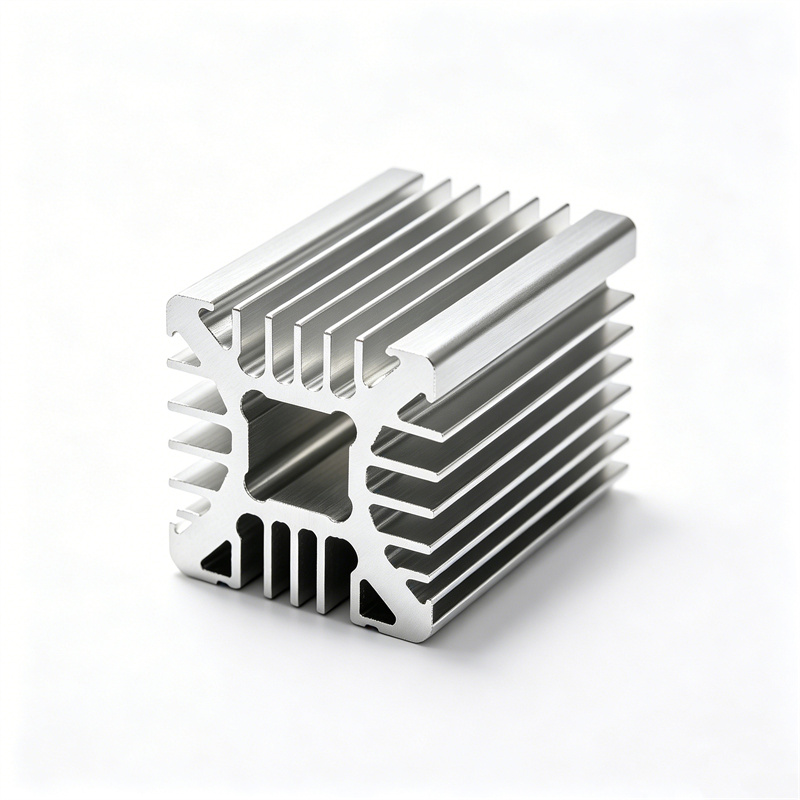
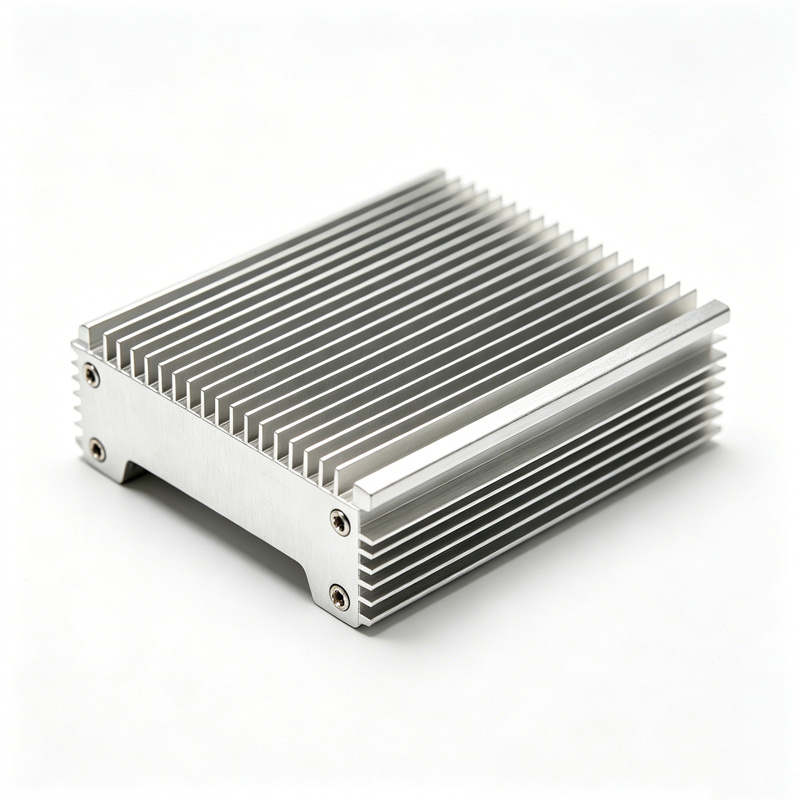
Custom Aluminum Heat Sinks from China Factory | High-Performance Thermal Management Solutions | Trusted Suppliers
Key Features
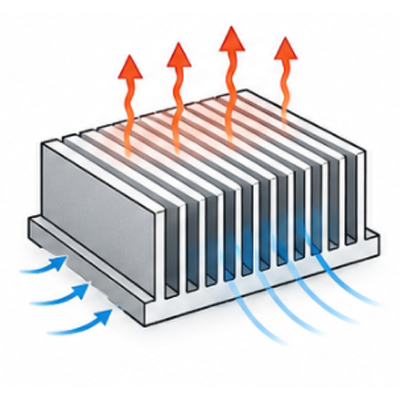
High Thermal Conductivity
Premium 6063 and 6061 aluminum alloys ensure rapid heat transfer while maintaining excellent structural stability under high-temperature loads.
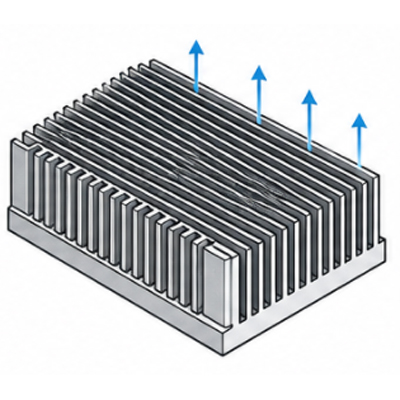
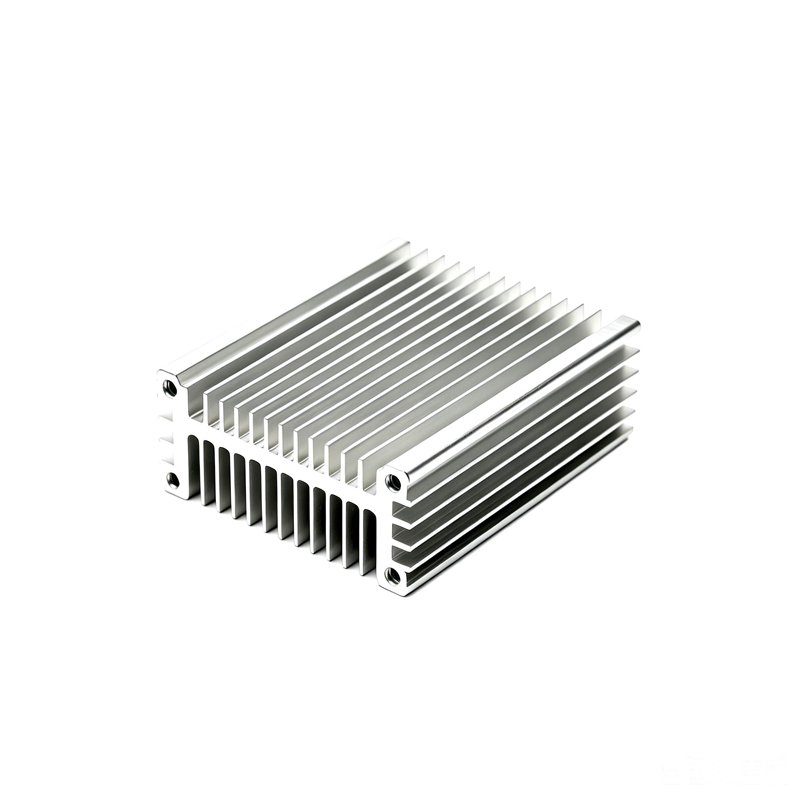
High-Density Fin Design
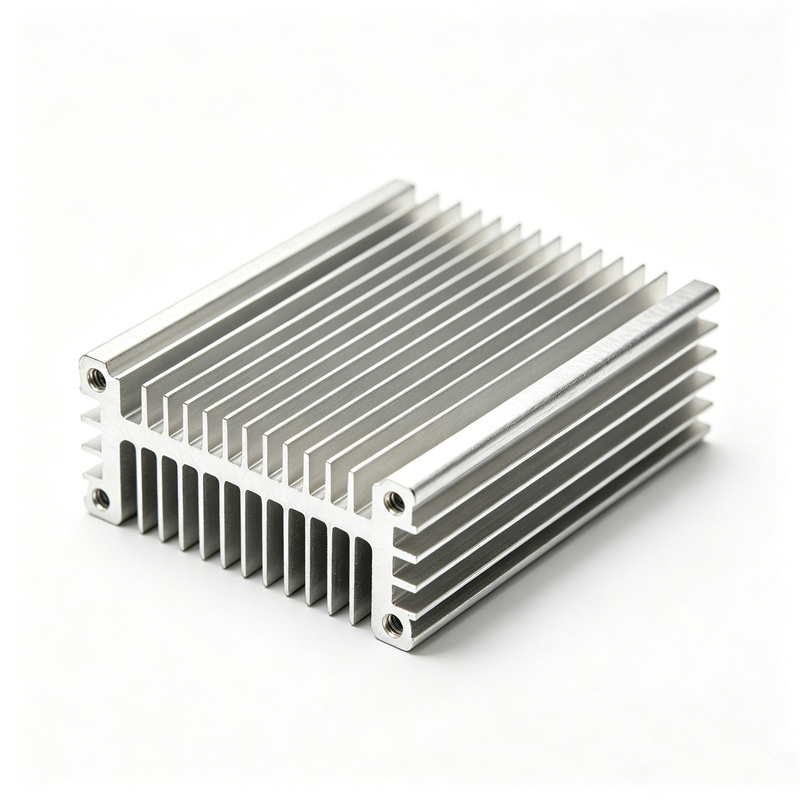
Advanced extrusion geometries maximize surface area, improving heat dissipation efficiency in both natural and forced-air cooling environments.
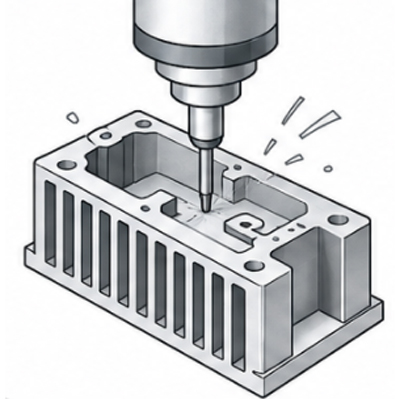
Precision CNC Machining
Multi-axis CNC milling, drilling, tapping, and pocketing are executed to strict CAD tolerances for seamless mechanical integration.
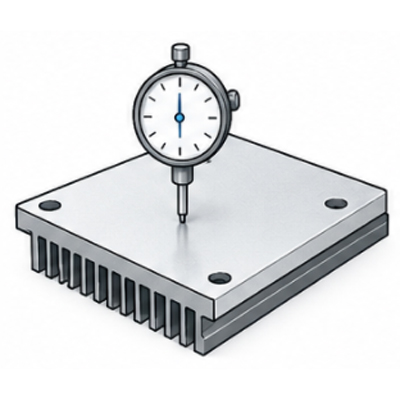
Optimized Base Flatness
Mounting surfaces are ultra-machined to ensure perfect contact with Thermal Interface Materials (TIM), eliminating air gaps and improving thermal performance.
Industrial Surface Coatings
Available finishes include clear/black anodizing, bead blasting, and powder coating for enhanced corrosion resistance and improved thermal emissivity.
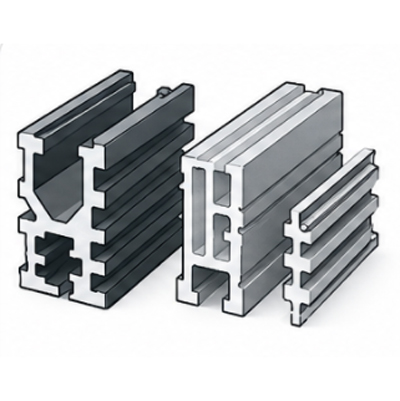
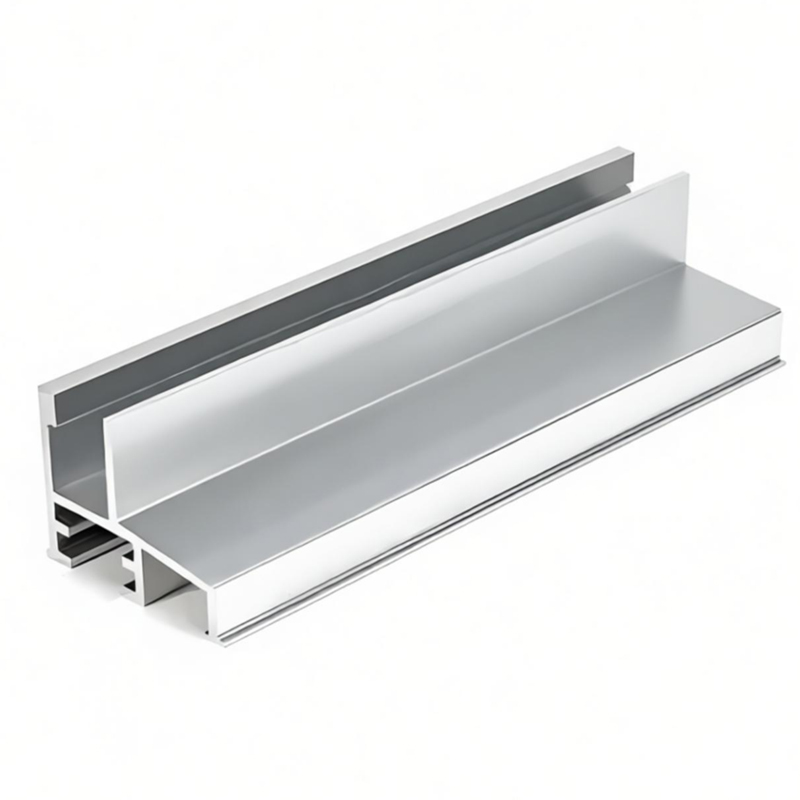
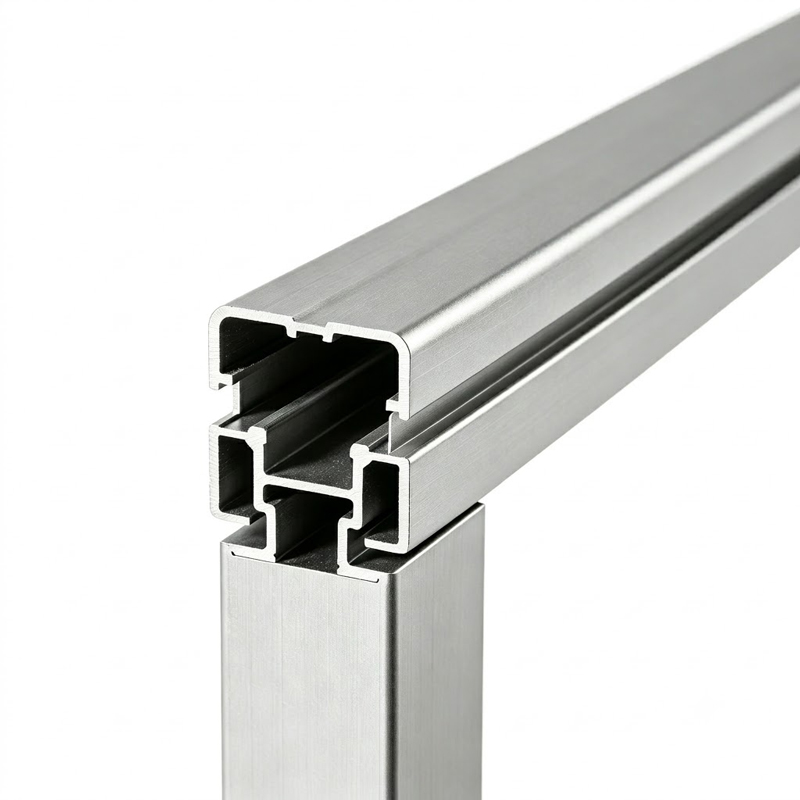
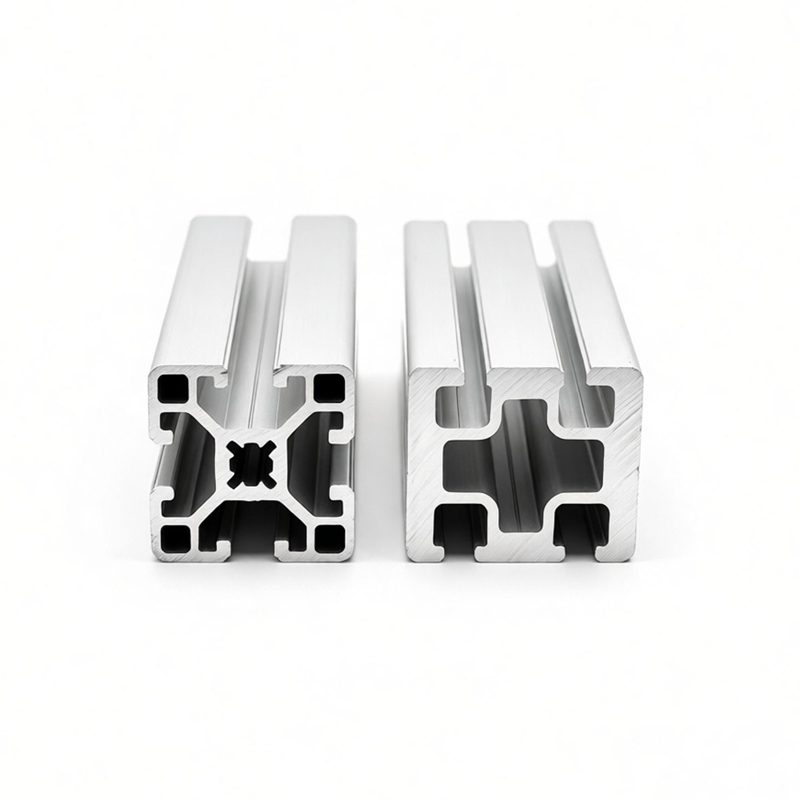
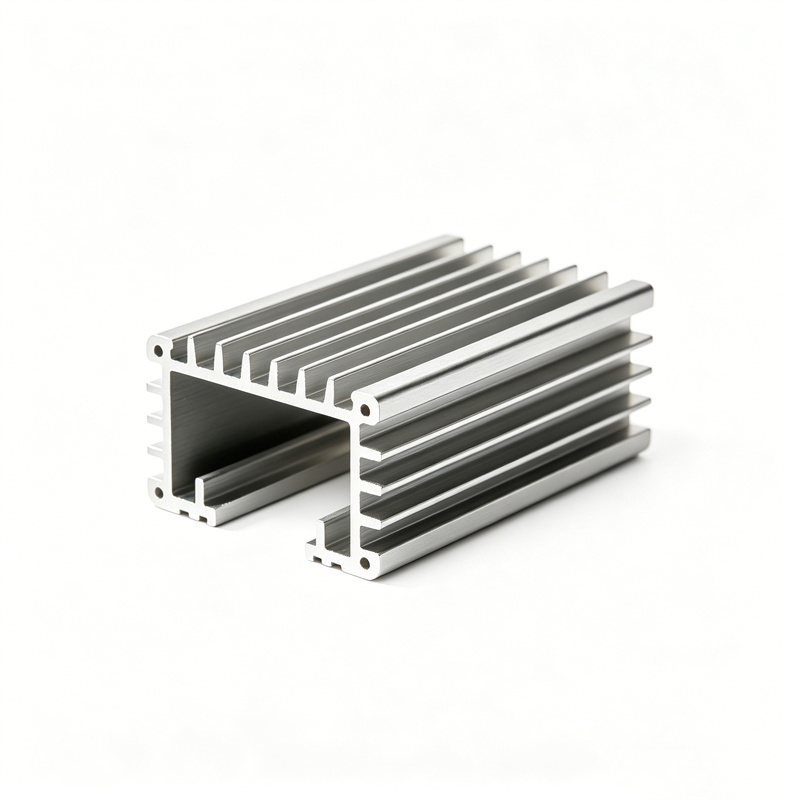
Custom Cross-Section Profiles
Bespoke extrusion die development enables complex, asymmetrical fin structures tailored to specific enclosure and thermal design requirements.
Technical Specifications
| Engineering Parameter | Industrial Specification |
|---|---|
| Material Grades | 6063-T5 / 6061-T6 Aluminum Alloy |
| Manufacturing Process | Precision Extrusion + CNC Post-Machining |
| Surface Finishes | Black Anodized, Clear Anodized, Bead Blasted, Powder Coated |
| Profile Types | High-Fin Density, Comb Fin, Flat-Back, Custom Cross-Sections |
| CNC Machining | Milling, Drilling, Thread Tapping, Slotting |
| Flatness Tolerance | Up to ±0.05 mm (depending on profile design) |
| Design Input | Fully customized per STEP / IGES / DWG files |
| Cooling Methods | Natural Convection / Forced Air / Liquid Cooling |
Applications & Thermal Solutions
Power Electronics & Industrial Systems
Thermal management for IGBT modules, solar inverters, industrial power supplies, and frequency converters in high-load environments.
EV & Automotive Electronics
Cooling structures for battery enclosures, motor controllers, onboard chargers (OBC), and DC-DC power conversion systems.
High-Power LED Lighting
Heat dissipation solutions for industrial high-bay lighting, architectural floodlights, horticultural systems, and outdoor illumination.
Telecommunications & Data Infrastructure
Thermal control components for 5G base stations, RF power amplifiers, network switches, and high-density server systems.
Request a Custom Aluminum Heat Sink Quote
Send your project details to SYNTON METALS for a fast engineering review and quotation.
- CAD Drawings (STEP / IGES / DWG)
- Critical Dimensions (L × W × H)
- Surface Finish Requirements
- Estimated Annual Volume
- Manufacturability Analysis (DFM)
- Tooling & Die Recommendations
- Production Lead Time Evaluation
- Factory-Direct Pricing
Frequently Asked Questions
What aluminum alloy grades do you use for heat sinks?
We primarily use premium 6063-T5 and 6061-T6 aluminum alloys. These grades offer an excellent balance of high thermal conductivity, structural strength, and clean machinability.
What file formats do you require to provide a custom quote?
To perform a complete engineering review and provide an accurate quotation, please provide your CAD drawings in STEP, IGES, or DWG formats along with your specification details.
What surface finish options are available for custom heat sinks?
We offer a wide range of industrial coatings including clear and black anodizing, bead blasting, and powder coating. Optional surface standards like Qualicoat coating systems are also available upon request.
Can you customize the cross-section profiles of the extrusions?
Yes. We specialize in custom cross-section profiles and bespoke extrusion die development, allowing us to manufacture complex, asymmetrical fin structures optimized for your specific enclosure requirements.
What post-extrusion CNC machining services do you provide?
Our secondary processing capabilities include high-precision multi-axis CNC milling, drilling, thread tapping, slotting, and pocketing to meet strict mechanical CAD tolerances.
What flatness tolerances can you achieve on the mounting base?
We can achieve a base flatness tolerance of up to ±0.05 mm depending on the specific profile design. This ensures optimal thermal interface contact and eliminates performance-robbing air gaps.